














The Explained Book of Proverbs Chapter 12
The Explained Book of Proverbs Chapter 12
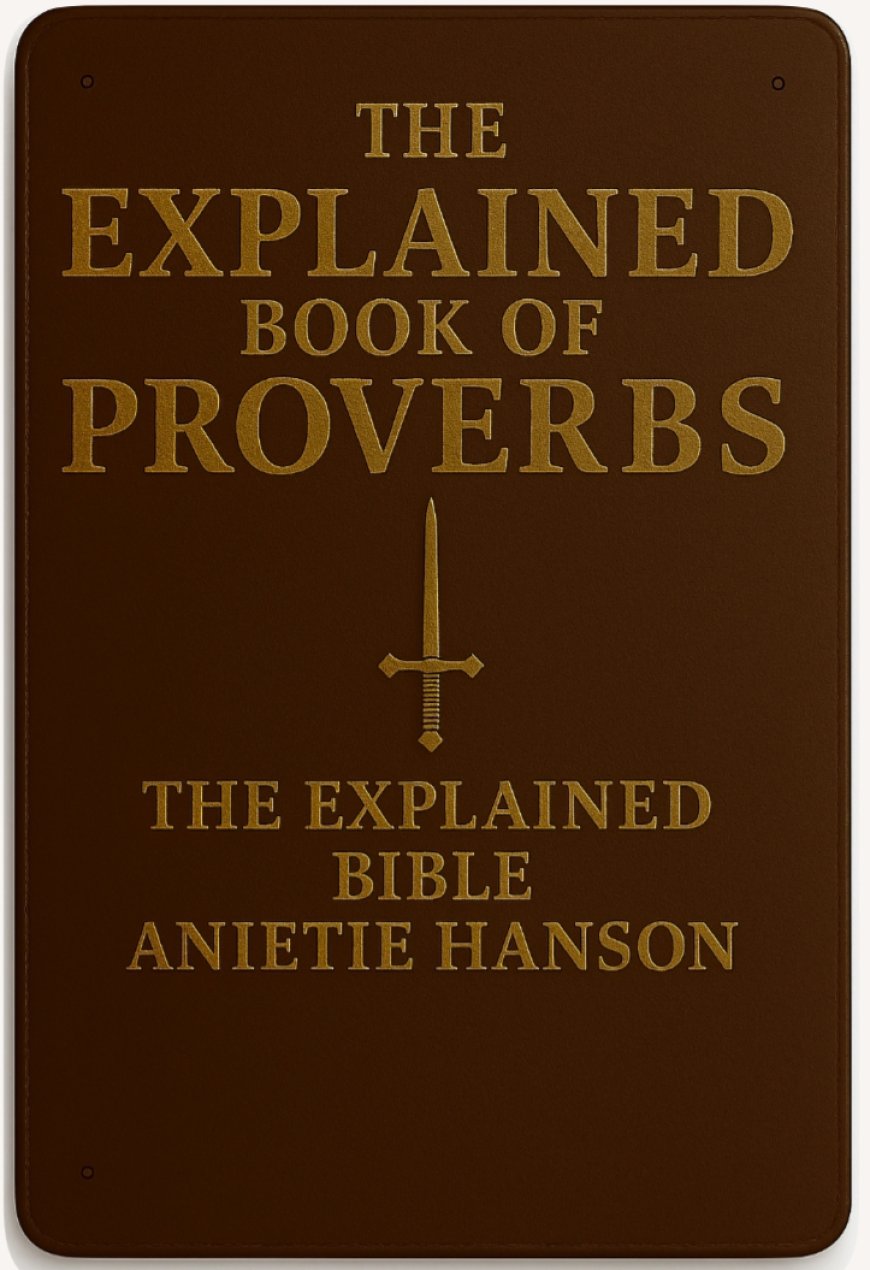
The Explained Book of Proverbs Chapter 12 by Anietie Hanson
Introduction
Proverbs Chapter 12 offers a series of wise sayings that contrast the outcomes of righteous and wicked living. The chapter highlights themes such as integrity, humility, diligence, and truthfulness, illustrating how these virtues lead to life, while their opposites lead to ruin. The teachings in this chapter provide practical and spiritual guidance for navigating daily life in alignment with God's principles. Proverbs 12 is composed of 28 verses, each packed with wisdom and moral truths.
The structure of this chapter revolves around contrasts: the righteous versus the wicked, diligence versus laziness, truth versus deceit, and humility versus arrogance. Let us explore this chapter verse by verse, unveiling its depth and significance.
Explanation
Proverbs 12:1
"Whoever loves correction loves knowledge, but he who hates reproof is stupid."
Explanation: This verse emphasizes the importance of being teachable. Loving correction reveals a desire for growth and knowledge, while hating reproof reflects arrogance and foolishness. Correction aligns individuals with truth, echoing Proverbs 9:8-9, where the wise are described as welcoming instruction and rebuke.
Proverbs 12:2
"A good man shall obtain favor from God, but he will condemn a man of wicked plans."
Explanation: The good man, characterized by righteousness, receives divine favor, reflecting God's delight in uprightness. Conversely, those with wicked plans face condemnation, emphasizing God's justice. Psalm 84:11 reinforces this idea: "God gives grace and glory. No good thing does he withhold from those who walk uprightly."
Proverbs 12:3
"A man shall not be established by wickedness, but the root of the righteous shall not be moved."
Explanation: Wickedness provides no lasting foundation; it is transient and unstable. The righteous, however, are rooted deeply, immovable in their faith and character. This recalls Psalm 1:3, which compares the righteous to a tree planted by streams of water, flourishing and stable.
Proverbs 12:4
"A worthy woman is the crown of her husband, but a disgraceful wife is as rottenness in his bones."
Explanation: A worthy woman symbolizes honor and blessing, adorning her husband as a crown. This verse underscores the significance of godly character in marriage, echoing Proverbs 31:10-12, which praises the virtues of an excellent wife. In contrast, a disgraceful wife causes inner turmoil and decay.
Proverbs 12:5
"The thoughts of the righteous are just, but the advice of the wicked is deceitful."
Explanation: The righteous think and act with justice, their thoughts aligned with God's truth. In contrast, the wicked offer deceitful counsel, leading others astray. This reflects Psalm 119:105: "Your word is a lamp to my feet and a light for my path." Justice guides the righteous.
Proverbs 12:6
"The words of the wicked are about lying in wait for blood, but the speech of the upright rescues them."
Explanation: The wicked plot harm and destruction with their words, while the upright use speech to bring deliverance and safety. This emphasizes the power of words, echoing Proverbs 18:21: "Death and life are in the power of the tongue." Speech reflects the heart's intent.
Proverbs 12:7
"The wicked are overthrown, and are no more, but the house of the righteous shall stand."
Explanation: The wicked face ultimate destruction, while the house of the righteous remains secure, rooted in God's protection and blessing. This parallels Jesus' teaching in Matthew 7:24-27, where the wise build on the solid foundation of truth, ensuring their endurance.
Proverbs 12:8
"A man shall be commended according to his wisdom, but he who has a perverse heart shall be despised."
Explanation: Wisdom earns respect and commendation, as it reflects godly discernment. In contrast, a perverse heart—marked by rebellion and dishonesty—leads to disdain. Ecclesiastes 10:12 highlights that wise speech earns favor, while foolishness invites contempt.
Proverbs 12:9
"Better is he who is lightly esteemed, and has a servant, than he who honors himself, and lacks bread."
Explanation: This verse contrasts humility with vanity. A person lightly esteemed yet practical—able to provide for their household—holds greater value than one with empty pride and no substance (lacks bread). It echoes James 4:10: "Humble yourselves in the sight of the Lord, and He will lift you up." True worth lies in character and provision, not self-importance.
Proverbs 12:10
"A righteous man respects the life of his animal, but the tender mercies of the wicked are cruel."
Explanation: The righteous demonstrate compassion even toward their animals, reflecting kindness and stewardship. The wicked, by contrast, lack true mercy—even their kindest acts are cruel. This underscores the pervasive nature of wickedness. It mirrors Matthew 5:7: "Blessed are the merciful, for they shall obtain mercy." Compassion reveals godliness.
Proverbs 12:11
"He who tills his land shall have plenty of bread, but he who chases fantasies is void of understanding."
Explanation: Diligence in work (tilling the land) leads to provision and stability, while chasing fantasies—symbolizing laziness or unrealistic pursuits—results in lack. Proverbs 14:23 reinforces this: "In all hard work there is profit, but idle chatter leads only to poverty." Wisdom lies in practical labor and planning.
Proverbs 12:12
"The wicked desire the plunder of evil men, but the root of the righteous flourishes."
Explanation: The wicked covet the ill-gotten gain of others, highlighting their greed and corruption. In contrast, the righteous, rooted deeply in God’s truth, experience lasting growth and prosperity. This verse parallels Psalm 92:12: "The righteous shall flourish like the palm tree." Upright living leads to enduring blessings.
Proverbs 12:13
"An evil man is trapped by sinfulness of lips, but the righteous shall come out of trouble."
Explanation: Words often expose the evil, trapping them in the consequences of their deceit. The righteous, however, are delivered from trouble through integrity and truth. Proverbs 18:7 affirms this: "The mouth of a fool is his destruction." The righteous walk in safety.
Proverbs 12:14
"A man shall be satisfied with good by the fruit of his mouth. The work of a man’s hands shall be rewarded to him."
Explanation: Words and actions have lasting impact. A man’s mouth (speech) produces satisfaction when aligned with truth and kindness, while his diligent work earns him a reward. This underscores James 3:10: "Out of the same mouth come blessing and cursing." Words and deeds reflect the heart.
Proverbs 12:15
"The way of a fool is right in his own eyes, but he who is wise listens to counsel."
Explanation: The fool trusts in their own perspective, rejecting advice, while the wise embrace counsel to gain understanding. Proverbs 15:22 reinforces the importance of seeking advice: "Without counsel plans fail." Wisdom flourishes in community and guidance.
Proverbs 12:16
"A fool shows his annoyance immediately, but a prudent man overlooks an insult."
Explanation: This verse contrasts impulsiveness with restraint. The fool reacts swiftly, revealing immaturity, while the prudent exercise wisdom by overlooking insults. Proverbs 19:11: "The discretion of a man makes him slow to anger." Restraint reflects wisdom and strength.
Proverbs 12:17
"He who is truthful testifies honestly, but a false witness lies."
Explanation: This verse highlights the stark difference between truth and deceit. A truthful person demonstrates integrity, offering honest testimony that upholds justice. In contrast, a false witness distorts reality, leading to injustice and harm. Exodus 20:16 commands, "You shall not give false testimony against your neighbor," affirming the value of honesty in God’s law.
Proverbs 12:18
"There is one who speaks rashly like the piercing of a sword, but the tongue of the wise heals."
Explanation: Words carry power—rash speech can be destructive, wounding others like a piercing sword. In contrast, the words of the wise bring healing, comfort, and restoration. James 3:5 reminds us of the tongue's immense influence, whether for harm or good: "The tongue is a small part of the body, yet it boasts of great things."
Proverbs 12:19
"Truth’s lips will be established forever, but a lying tongue is only momentary."
Explanation: Truth endures—it remains firm and unshaken, consistent with God’s eternal nature (Psalm 119:160). However, lies are momentary, bound to crumble under scrutiny. This verse reflects the eternal consequences of truth and the fleeting nature of deceit (John 8:32: "The truth will make you free.").
Proverbs 12:20
"Deceit is in the heart of those who plot evil, but joy comes to the promoters of peace."
Explanation: Evil intentions, rooted in deceit, bring turmoil and destruction. However, those who pursue and promote peace—valuing harmony and reconciliation—experience joy and fulfillment. This mirrors Matthew 5:9: "Blessed are the peacemakers, for they shall be called children of God." Peace flows from godly wisdom.
Proverbs 12:21
"No mischief shall happen to the righteous, but the wicked shall be filled with evil."
Explanation: God’s protection surrounds the righteous, shielding them from ultimate harm. In contrast, the wicked invite trouble, reaping the consequences of their choices. Psalm 91:10: "No evil shall happen to you, neither shall any plague come near your dwelling," affirms the safety found in God.
Proverbs 12:22
"Lying lips are an abomination to God, but those who do the truth are his delight."
Explanation: This verse emphasizes God’s disdain for lies and His delight in truthfulness. Lying lips corrupt relationships and distort God’s creation, while truthful speech reflects His righteousness. Ephesians 4:25 urges believers to "speak truth each one with his neighbor."
Proverbs 12:23
"A prudent man keeps his knowledge, but the hearts of fools proclaim foolishness."
Explanation: The prudent exercise discretion, sharing their knowledge wisely and at the right time. In contrast, fools recklessly blurt out foolishness, revealing their lack of wisdom. Proverbs 13:16 aligns: "Every prudent man acts with knowledge." Discernment is key to applying wisdom effectively.
Proverbs 12:24
"The hands of the diligent shall rule, but laziness ends in slave labor."
Explanation: Diligence and hard work lead to rule and prosperity, while laziness results in dependence and servitude. This verse echoes Proverbs 22:29: "Do you see a man skilled in his work? He will serve kings." Hard work earns respect and rewards.
Proverbs 12:25
"Anxiety in a man’s heart weighs it down, but a kind word makes it glad."
Explanation: Anxiety burdens the heart, causing despair, but a kind word—offered in encouragement and support—lifts the spirit. This verse highlights the power of words to transform emotional states. Philippians 4:6-7 reminds believers to bring their anxieties to God, who offers peace beyond understanding.
Proverbs 12:26
"A righteous person is cautious in friendship, but the way of the wicked leads them astray."
Explanation: The righteous exercise caution in choosing friends, valuing relationships that encourage godliness and integrity. In contrast, the wicked follow a path of corruption, leading others into harm. Psalm 1:1 advises avoiding the company of the ungodly for spiritual growth.
Proverbs 12:27
"The slothful man doesn’t roast his game, but the diligent man gets precious wealth."
Explanation: The slothful, though they may gain opportunities, fail to capitalize on them due to laziness. The diligent, however, make full use of their resources, gaining lasting wealth. Proverbs 10:4 underscores this truth: "He becomes poor who works with a lazy hand, but the hand of the diligent brings wealth."
Proverbs 12:28
"In the way of righteousness is life; in its path there is no death."
Explanation: Righteousness leads to life, offering eternal blessings and peace. This verse underscores the ultimate triumph of righteousness over sin and death. Jesus affirmed this in John 14:6: "I am the way, the truth, and the life." The righteous walk securely in the light of God’s promises.
12 Relevant Questions and Answers on Proverbs Chapter 12
1. What does Proverbs 12:1 teach about correction?
o It shows that loving correction leads to knowledge, while rejecting it reflects foolishness (Proverbs 9:8-9).
2. How does Proverbs 12:4 describe a worthy woman?
o She is the crown of her husband, symbolizing honor and blessing (Proverbs 31:10-12).
3. What does Proverbs 12:10 reveal about the righteous and animals?
o The righteous show compassion, even toward animals, while the wicked lack true mercy (Matthew 5:7).
4. What does Proverbs 12:11 caution against?
o It warns against chasing fantasies and highlights the value of diligent work (Proverbs 14:23).
5. What does Proverbs 12:14 say about words and work?
o Words bring satisfaction, and diligent work yields rewards (James 3:10).
6. How does Proverbs 12:16 contrast fools and prudent individuals?
o Fools react impulsively, while the prudent overlook insults with wisdom (Proverbs 19:11).
7. What does Proverbs 12:19 teach about truth?
o Truth endures forever, while lies are temporary (John 8:32).
8. What is the significance of kindness in Proverbs 12:25?
o Kind words lift burdens and bring joy, combating anxiety (Philippians 4:6-7).
9. How does Proverbs 12:24 describe the outcomes of diligence and laziness?
o Diligent hands rule, while laziness leads to subservience (Proverbs 22:29).
10. What does Proverbs 12:26 advise about friendships?
o The righteous choose friends wisely, avoiding the corrupting influence of the wicked (Psalm 1:1).
11. What does Proverbs 12:22 emphasize about speech?
o God delights in truthfulness but abhors lies (Ephesians 4:25).
12. How does Proverbs 12:28 summarize righteousness?
o Righteousness leads to life and excludes death, affirming eternal blessings (John 14:6).
Final Thoughts
Proverbs Chapter 12 provides timeless wisdom, contrasting virtues such as diligence, truthfulness, and righteousness with vices like laziness, deceit, and impulsiveness. Its teachings emphasize the practical and eternal value of living a godly life. With 28 verses, this chapter challenges readers to embrace correction, walk in righteousness, and reflect God’s character in their words and actions.
What's Your Reaction?
 Like
0
Like
0
 Dislike
0
Dislike
0
 Love
0
Love
0
 Funny
0
Funny
0
 Angry
0
Angry
0
 Sad
0
Sad
0
 Wow
0
Wow
0