







Genesis Chapter 46
Genesis Chapter 46
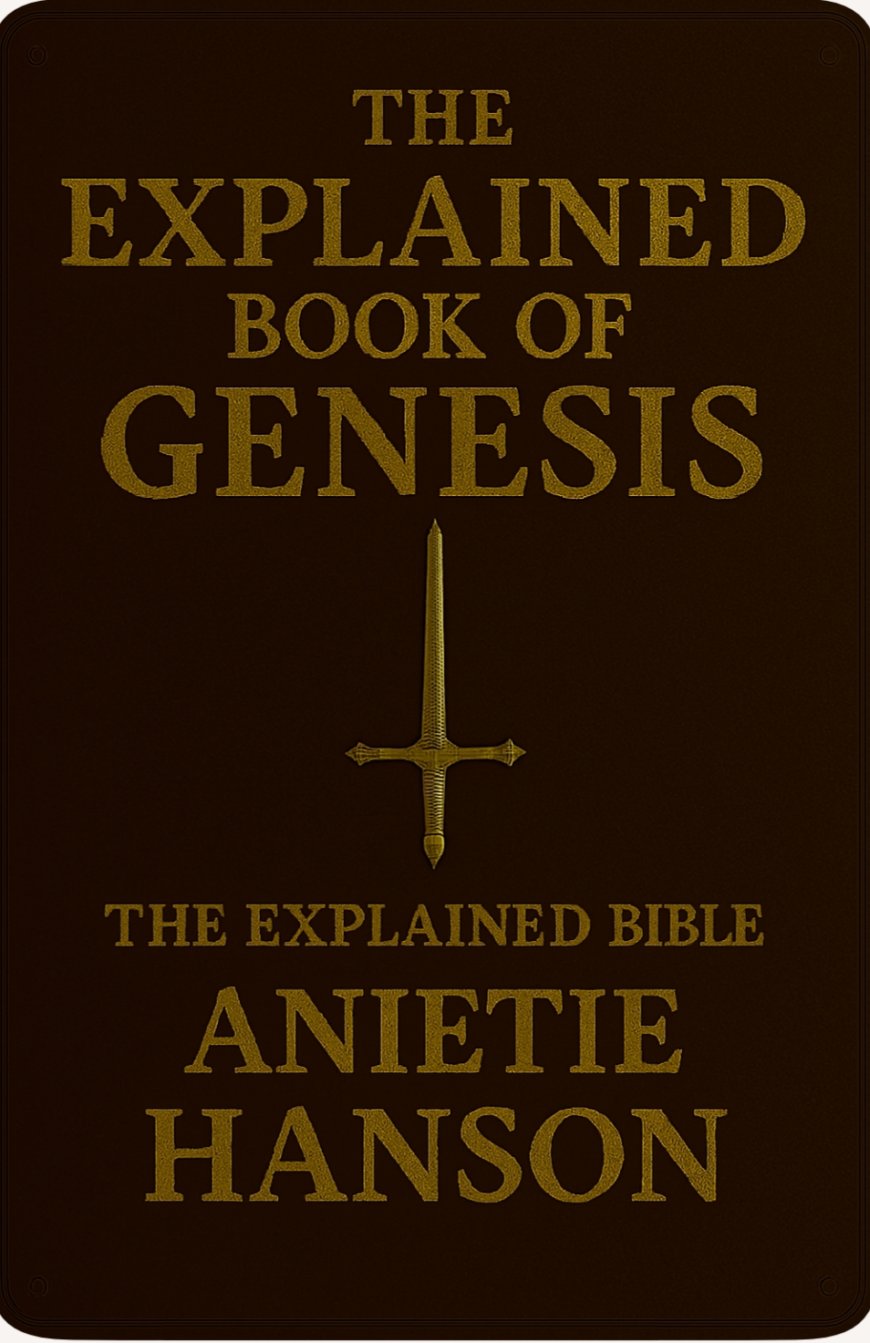
The Explained Book of Genesis Chapter 46 by Anietie Hanson
Study Bible: Genesis Chapter 46 – Jacob Goes to Egypt
Introduction
Genesis Chapter 46 marks a significant milestone in the fulfillment of God’s plan for His covenant people. Jacob, also known as Israel, travels to Egypt, reuniting with his son Joseph and relocating his entire family during a time of famine. This migration is not merely a move for survival but a divine orchestration to preserve and multiply God’s chosen people. The chapter emphasizes themes of obedience, trust in God’s promises, and the unbreakable bond of family.
With 34 verses, Genesis Chapter 46 beautifully captures God’s providence, Jacob’s faith, and the significance of familial unity in the unfolding narrative of salvation history. Let’s explore the verses thoroughly, uncovering the deeper meanings, symbols, and connections to prophecy.
Verse-by-Verse Explanation
Genesis 46:1
"Israel traveled with all that he had, and came to Beersheba, and offered sacrifices to the God of his father, Isaac."
Explanation: Beersheba, a significant location in biblical history, represents a place of covenant and communion with God, as both Abraham and Isaac had worshiped there (Genesis 21:33; Genesis 26:24–25). Jacob’s act of offering sacrifices underscores his faith and dependence on God, seeking His guidance before proceeding to Egypt. Psalm 50:14 reinforces this devotion: "Offer to God the sacrifice of thanksgiving, and pay your vows to the Most High." This verse highlights Jacob’s reverence and trust in God during a pivotal moment.
Genesis 46:2–4
"God spoke to Israel in the visions of the night, and said, 'Jacob, Jacob!' He said, 'Here I am.' He said, 'I am God, the God of your father. Don’t be afraid to go down into Egypt, for I will there make of you a great nation. I will go down with you into Egypt. I will also surely bring you up again. Joseph will close your eyes.'"
Explanation: God’s reassurance—“Don’t be afraid to go down into Egypt”—addresses Jacob’s hesitation, reflecting his trust in God’s covenant promises. The promise to make a great nation in Egypt connects to His earlier commitments to Abraham (Genesis 12:2) and Isaac (Genesis 26:4). The prophetic statement—“Joseph will close your eyes”—confirms Jacob’s reunion with Joseph before his death, bringing comfort and assurance. Deuteronomy 31:8 echoes this faithfulness: "God himself is who goes before you. He will be with you." God’s words affirm His guiding presence throughout Jacob’s journey.
Genesis 46:5–7
"Jacob rose up from Beersheba, and the sons of Israel carried Jacob, their father, their little ones, and their wives, in the wagons which Pharaoh had sent to carry him. They took their livestock, and their goods, which they had gotten in the land of Canaan, and came into Egypt—Jacob, and all his offspring with him: his sons, and his sons’ sons with him, his daughters, and his sons’ daughters, and he brought all his offspring with him into Egypt."
Explanation: The complete migration of Jacob’s family—“all his offspring”—symbolizes the preservation and expansion of God’s covenant people. The use of wagons sent by Pharaoh demonstrates divine favor working through earthly authorities. This journey fulfills God’s promise of multiplying Israel as a great nation (Genesis 15:5). Psalm 105:23 highlights this relocation: "Israel also came into Egypt. Jacob lived in the land of Ham." The unity of Jacob’s family in this move underscores the importance of familial bonds in God’s plan.
Genesis 46:8–27
This section lists the names of Jacob’s descendants, organized by family groups.
Explanation: The detailed genealogical record emphasizes the significance of each individual in the covenant lineage. The inclusion of 70 persons (verse 27) symbolizes completeness and divine order, reflecting the emerging nation of Israel. Numbers 23:10 celebrates this growth: "Who can count the dust of Jacob, or number the fourth part of Israel?" Each name represents the continuity of God’s promises, ensuring His plan moves forward through this faithful lineage.
Genesis 46:28–29
"He sent Judah before him to Joseph, to show the way before him to Goshen; and they came into the land of Goshen. Joseph prepared his chariot, and went up to meet Israel, his father, in Goshen. He presented himself to him, and fell on his neck, and wept on his neck a good while."
Explanation: Jacob sends Judah ahead to prepare the way, signifying Judah’s leadership and growing prominence, later solidified in prophecy (Genesis 49:10). The emotional reunion between Joseph and Jacob—“wept on his neck a good while”—captures the depth of their love and the healing of years of separation. This poignant moment fulfills Joseph’s dreams (Genesis 37:9) and highlights God’s providence. Psalm 30:11 resonates with their joy: "You have turned my mourning into dancing." The verse encapsulates the fulfillment of reconciliation and restoration.
Genesis 46:30
"Israel said to Joseph, 'Now let me die, since I have seen your face, that you are still alive.'"
Explanation: Jacob’s declaration—“Now let me die”—expresses his profound relief and contentment in reuniting with Joseph. Having endured years of mourning and despair, Jacob’s joy symbolizes the fulfillment of God’s promises and the restoration of his family. His words echo Simeon’s prayer in Luke 2:29–30: "Now you let your servant depart in peace, according to your word, for my eyes have seen your salvation." This moment underscores the significance of reconciliation and the blessings of divine providence.
Genesis 46:31–32
"Joseph said to his brothers, and to his father’s house, 'I will go up, and speak with Pharaoh, and will tell him, "My brothers and my father’s house, who were in the land of Canaan, have come to me. The men are shepherds, for they have been keepers of livestock; and they have brought their flocks, and their herds, and all that they have."'"
Explanation: Joseph’s initiative to inform Pharaoh about his family’s arrival demonstrates his leadership and mediation. By emphasizing their occupation as shepherds, Joseph ensures they are granted residence in Goshen, a region suitable for livestock and separate from the Egyptians, who viewed shepherds unfavorably (Genesis 46:34). This separation preserves the family’s distinctiveness, aligning with the principle in Leviticus 20:26: "You shall be holy to me, for I am holy." Joseph’s strategy reflects wisdom in balancing favor and cultural boundaries.
Genesis 46:33–34
"It will happen, when Pharaoh summons you, and will say, 'What is your occupation?' that you shall say, 'Your servants have been keepers of livestock from our youth even until now, both we and our fathers,' that you may dwell in the land of Goshen; for every shepherd is an abomination to the Egyptians."
Explanation: Joseph’s instructions to his brothers highlight his strategic foresight in navigating Egyptian cultural prejudices—“every shepherd is an abomination to the Egyptians.” By presenting themselves honestly, the family secures residence in Goshen, a fertile region ideal for livestock and separated from Egyptian society. This plan ensures their survival during the famine while maintaining their distinct identity as God’s covenant people. Matthew 10:16 reflects Joseph’s wisdom: "Be wise as serpents and harmless as doves." Joseph’s guidance exemplifies prudence and discernment.
Questions and Answers on Genesis Chapter 46
1. Why does Jacob stop at Beersheba to offer sacrifices in Genesis 46:1?
o Beersheba represents a place of covenant worship, and Jacob seeks God’s guidance before moving to Egypt.
2. What reassurance does God provide to Jacob in Genesis 46:2–4?
o God promises to make Jacob’s family a great nation in Egypt, accompany them on their journey, and ensure their return.
3. Why does the entire family migrate to Egypt in Genesis 46:5–7?
o To preserve the covenant lineage during the famine and fulfill God’s promise of growth and protection.
4. What is the significance of the genealogical record in Genesis 46:8–27?
o It emphasizes the completeness of Jacob’s family and their importance in God’s covenant plan.
5. Why does Judah lead the way to Goshen in Genesis 46:28?
o Judah’s leadership reflects his growing prominence, aligning with his future role in Israel’s lineage.
6. What does Joseph’s reunion with Jacob symbolize in Genesis 46:29?
o It signifies the restoration of familial relationships and the fulfillment of God’s promises.
7. Why does Jacob say, “Now let me die” in Genesis 46:30?
o He expresses contentment and peace, having seen Joseph alive and their family restored.
8. Why does Joseph emphasize his family’s occupation as shepherds in Genesis 46:31–34?
o To secure residence in Goshen and preserve their cultural and spiritual identity separate from the Egyptians.
9. What does Goshen represent in this chapter?
o Goshen symbolizes provision, protection, and separation, ensuring the survival of God’s covenant people.
10. How does Genesis 46 reflect God’s providence?
o From the famine to the migration, God orchestrates events to fulfill His promises of protection and growth.
11. What lessons can be learned from Jacob’s faith in this chapter?
o Trust in God’s guidance and promises leads to peace and fulfillment, even in times of uncertainty.
12. Why is Genesis 46 significant in the story of Israel?
o It marks the transition of Jacob’s family to Egypt, setting the stage for their growth into a great nation.
Final Thoughts
Genesis Chapter 46, with its 34 verses, beautifully captures the migration of Jacob’s family to Egypt, highlighting God’s faithfulness in preserving His covenant people. The chapter emphasizes themes of obedience, providence, and reconciliation, underscoring the importance of family unity and trust in God’s promises.
Key Themes:
1. Faith and Obedience: Jacob’s offering at Beersheba and his journey reflect trust in God’s guidance.
2. Providence and Provision: The move to Egypt ensures the survival and multiplication of God’s chosen people.
3. Reconciliation and Restoration: The reunion of Joseph and Jacob exemplifies God’s ability to heal broken relationships.
What's Your Reaction?
 Like
0
Like
0
 Dislike
0
Dislike
0
 Love
0
Love
0
 Funny
0
Funny
0
 Angry
0
Angry
0
 Sad
0
Sad
0
 Wow
0
Wow
0