













Genesis Chapter 17
Genesis Chapter 17
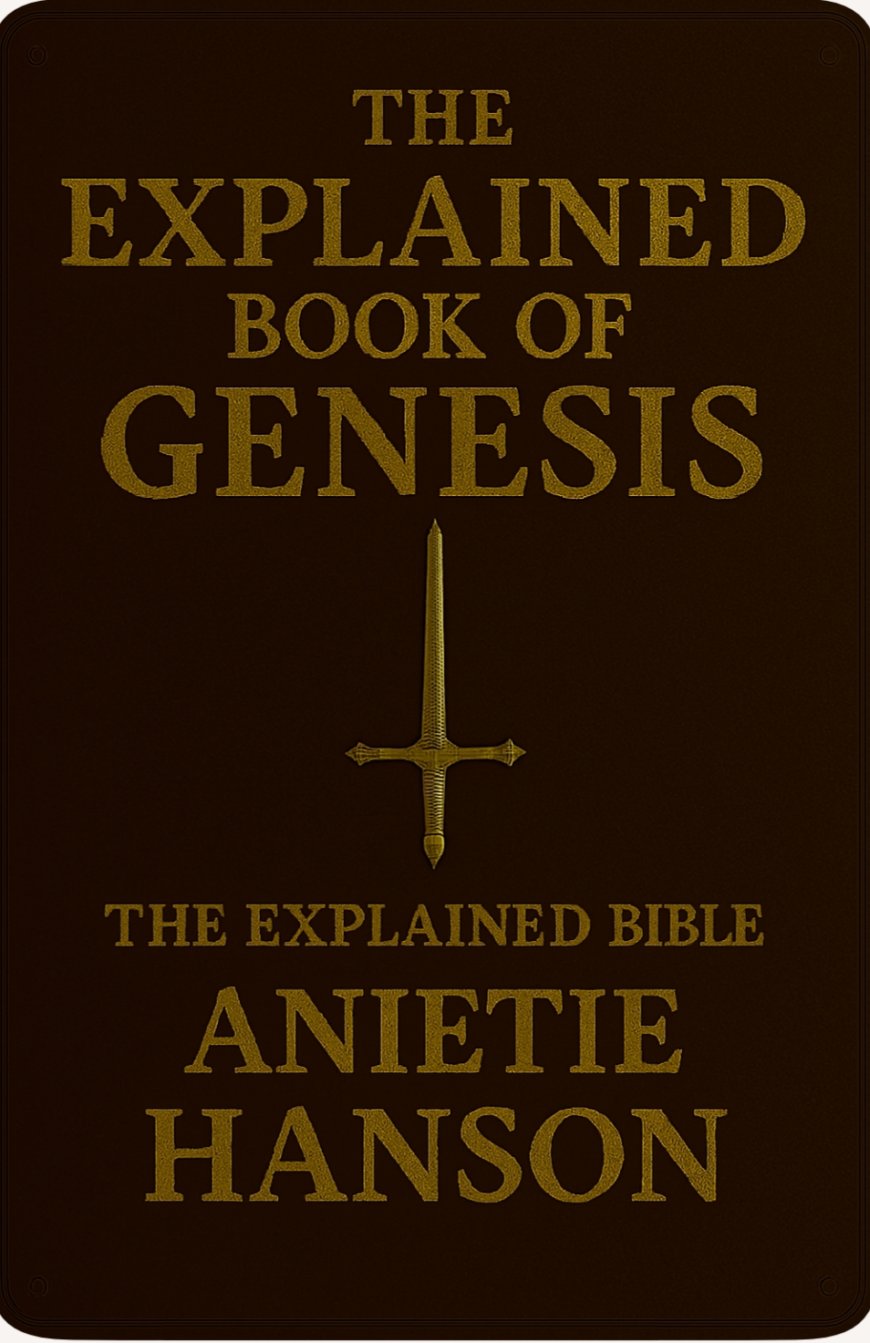
The Explained Book of Genesis Chapter 17 by Anietie Hanson
Study Bible: Genesis Chapter 17 – The Covenant of Circumcision
Introduction
Genesis Chapter 17 builds upon the promises God made to Abram in Genesis 15 and marks the formalization of the Abrahamic Covenant. This chapter introduces circumcision as the physical sign of the covenant, underscores Abram's transformation into Abraham, and reiterates the promise of a son through Sarai, whose name is changed to Sarah. These name changes symbolize new identities and roles within God’s redemptive plan. With 27 verses, this chapter highlights themes of obedience, divine faithfulness, and the fulfillment of God’s promises.
Explanation
Genesis 17:1
"When Abram was ninety-nine years old, God appeared to Abram and said to him, 'I am God Almighty. Walk before me and be blameless.'"
Explanation: Abram’s age, ninety-nine, emphasizes the prolonged waiting for God’s promise and the miraculous nature of its fulfillment. The name God Almighty (El Shaddai) signifies God’s omnipotence and ability to accomplish His promises. The command to walk before me and be blameless calls Abram to a life of faith and righteousness, reflecting the covenant relationship. Psalm 18:30 supports this call: "As for God, His way is perfect." This verse sets the tone for the covenant’s renewal.
Genesis 17:2
"I will make my covenant between me and you, and will multiply you exceedingly."
Explanation: The covenant God refers to is the reaffirmation of His promise to make Abram the father of many nations. The word multiply foreshadows the countless descendants who will inherit the covenant blessings. Galatians 3:29 connects this to believers: "If you belong to Christ, then you are Abraham’s seed, and heirs according to the promise." This verse emphasizes the scope of Abram’s legacy.
Genesis 17:3
"Abram fell on his face. God talked with him, saying,"
Explanation: Abram’s act of falling on his face demonstrates humility and reverence before God. This posture reflects submission and acknowledgment of God’s authority. Psalm 95:6 aligns with this: "Come, let us bow down in worship, let us kneel before God our Maker." Abram’s response sets an example of proper reverence during divine encounters.
Genesis 17:4
"As for me, behold, my covenant is with you. You will be the father of a multitude of nations."
Explanation: God’s reiteration of the covenant underscores His faithfulness. The phrase “father of a multitude of nations” emphasizes the global impact of Abram’s lineage, which includes both physical descendants (Israel) and spiritual descendants (the Church). Romans 4:16 declares: "He is the father of us all." This verse highlights the universality of the Abrahamic Covenant.
Genesis 17:5
"Your name will no longer be Abram, but your name will be Abraham; for I have made you the father of a multitude of nations."
Explanation: The name change from Abram (“exalted father”) to Abraham (“father of a multitude”) signifies a new identity aligned with God’s promises. Names in Scripture often carry prophetic meaning, reflecting a person’s role in God’s plan. Isaiah 62:2 affirms: "You will be called by a new name that the mouth of God will bestow." This transformation symbolizes God’s authority over Abraham’s destiny.
Genesis 17:6
"I will make you exceedingly fruitful, and I will make nations of you. Kings will come out of you."
Explanation: God’s promise of fruitfulness echoes the original blessing in Genesis 1:28, extending it to Abraham’s descendants. The mention of kings foreshadows the royal lineage of David and ultimately Jesus Christ, the King of Kings. Revelation 19:16 proclaims: "On His robe and on His thigh He has this name written: King of Kings and Lord of Lords." This prophecy ties Abraham’s lineage to the Messiah’s reign.
Genesis 17:7
"I will establish my covenant between me and you and your offspring after you throughout their generations for an everlasting covenant, to be a God to you and to your offspring after you."
Explanation: God describes the Abrahamic Covenant as everlasting, signifying its eternal relevance and scope. The promise extends beyond Abraham to his descendants, emphasizing generational blessings and the relationship between God and His chosen people. The phrase “to be a God to you and to your offspring” highlights the personal and communal nature of the covenant. Psalm 105:8–10 confirms: "He remembers His covenant forever, the promise He made for a thousand generations." This verse underscores God’s unwavering commitment to His people.
Genesis 17:8
"I will give to you and to your offspring after you the land where you are traveling, all the land of Canaan, for an everlasting possession. I will be their God."
Explanation: The land of Canaan is designated as the inheritance for Abraham’s descendants, serving as the geographical manifestation of God’s promises. The term “everlasting possession” emphasizes its significance in God’s redemptive plan. Psalm 37:29 echoes this promise: "The righteous will inherit the land and dwell in it forever." This verse underscores the covenant’s physical and spiritual dimensions.
Genesis 17:9
"God said to Abraham, 'As for you, you will keep my covenant, you and your offspring after you throughout their generations.'"
Explanation: God places responsibility on Abraham and his descendants to keep the covenant, implying obedience and faithfulness to God’s commands. This reflects the mutual nature of the relationship between God and His people. Deuteronomy 7:9 confirms: "Know therefore that God your God is God; He is the faithful God, keeping His covenant of love to a thousand generations." Abraham’s role underscores the importance of living in alignment with God’s promises.
Genesis 17:10
"This is my covenant, which you shall keep, between me and you and your offspring after you. Every male among you shall be circumcised."
Explanation: Circumcision is introduced as the physical sign of the covenant, symbolizing spiritual separation and dedication to God. The act of circumcision serves as a tangible reminder of the covenant and the distinct identity of God’s people. Romans 4:11 explains: "He received circumcision as a sign, a seal of the righteousness that he had by faith." This ritual signifies both obedience and faith in God’s promises.
Genesis 17:11
"You shall be circumcised in the flesh of your foreskin. It will be a token of the covenant between me and you."
Explanation: The token of the covenant is a visible and permanent mark of the relationship between God and Abraham’s descendants. This sign distinguishes them as God’s chosen people, committed to His purposes. Galatians 6:15 highlights the spiritual aspect of this covenant: "Neither circumcision nor uncircumcision means anything; what counts is the new creation." This verse emphasizes the transformative nature of the covenant beyond physical signs.
Genesis 17:12
"He who is eight days old will be circumcised among you, every male throughout your generations, including those born in your house or bought with money from any foreigner who is not of your offspring."
Explanation: The command for circumcision on the eighth day aligns with biblical symbolism, as the number eight represents renewal and new beginnings. This timing also reflects biological factors, such as optimal clotting ability in newborns. The inclusion of males born in your house or bought with money highlights the universality of the covenant, extending beyond Abraham’s direct lineage. Luke 2:21 recounts Jesus’ circumcision on the eighth day, fulfilling this command: "On the eighth day, when it was time to circumcise the child, He was named Jesus." This act establishes circumcision as a covenant sign.
Genesis 17:13
"He who is born in your house and he who is bought with your money must be circumcised. My covenant will be in your flesh for an everlasting covenant."
Explanation: Circumcision as a mark “in your flesh” signifies the physical and personal commitment to the covenant. The phrase “everlasting covenant” emphasizes its enduring spiritual significance and its role in identifying God’s people. Jeremiah 31:33 shifts this idea to a spiritual realm: "I will put my law in their minds and write it on their hearts." This verse illustrates the covenant’s deeper fulfillment in the New Testament.
Genesis 17:14
"The uncircumcised male who is not circumcised in the flesh of his foreskin, that person shall be cut off from his people. He has broken my covenant."
Explanation: Failure to uphold circumcision leads to separation from the community, demonstrating the seriousness of the covenant’s requirements. The term “cut off” signifies exclusion, reflecting the consequences of disobedience. Acts 7:51 warns against resisting God: "You stiff-necked people! You always resist the Holy Spirit!" Circumcision becomes a metaphor for heart-centered obedience and loyalty to God.
Genesis 17:15
"God said to Abraham, 'As for Sarai your wife, you shall not call her name Sarai, but her name will be Sarah.'"
Explanation: The change from Sarai (possibly meaning “my princess”) to Sarah (“princess”) signifies her expanded role in God’s covenant, as the mother of nations and kings. This name change mirrors the transformation in Abraham’s identity and emphasizes her integral role in the fulfillment of God’s promises. Isaiah 51:2 honors her importance: "Look to Abraham your father and to Sarah, who gave you birth." The transformation of her name aligns with God’s unfolding plan.
Genesis 17:16
"I will bless her, and moreover I will give you a son by her. I will bless her, and she will be a mother of nations. Kings of peoples will come from her."
Explanation: God’s promise to bless Sarah reiterates her critical role in the covenant, emphasizing that the promised heir will come through her despite her advanced age. The phrase “mother of nations” highlights her spiritual and physical legacy, culminating in the royal lineage leading to Jesus Christ. Luke 1:31 celebrates the ultimate fulfillment: "You will conceive and give birth to a son, and you are to call Him Jesus." This verse connects Sarah’s blessing to God’s redemptive plan.
Genesis 17:17
"Then Abraham fell on his face, and laughed, and said in his heart, 'Will a child be born to him who is one hundred years old? Will Sarah, who is ninety years old, give birth?'"
Explanation: Abraham’s reaction reflects a mix of awe, disbelief, and perhaps joy at the improbability of God’s promise. His laughter reveals the human tendency to doubt in the face of impossibility, yet it does not negate his faith. Romans 4:20–21 explains: "He did not waver through unbelief regarding the promise of God but was strengthened in his faith and gave glory to God." This verse emphasizes Abraham’s ultimate trust in God’s ability to fulfill His word.
Genesis 17:18
"Abraham said to God, 'Oh that Ishmael might live before You!'"
Explanation: Abraham’s plea for Ishmael reflects his love for his firstborn son and concern for his future. While Ishmael is not the child of promise, God’s mercy extends to him as part of His plan. This request demonstrates Abraham’s humanity and his desire for blessings for all his children. Genesis 21:13 confirms God’s blessing over Ishmael: "I will make the son of the slave woman into a nation also, because he is your offspring." This verse underscores God’s compassion and faithfulness.
Genesis 17:19
"God said, 'No, but Sarah, your wife, will bear you a son. You shall call his name Isaac. I will establish my covenant with him for an everlasting covenant for his offspring after him.'"
Explanation: The name Isaac, meaning “laughter,” reflects both Abraham’s reaction and the joy surrounding the fulfillment of God’s promise. God’s covenant with Isaac marks him as the child through whom His redemptive plan will unfold. Galatians 4:28 aligns Isaac with the promise: "Now you, brothers and sisters, like Isaac, are children of promise." This verse establishes Isaac’s prophetic significance as part of God’s eternal plan.
Genesis 17:20
"As for Ishmael, I have heard you. Behold, I have blessed him, and will make him fruitful, and will multiply him exceedingly. He will become the father of twelve princes, and I will make him a great nation."
Explanation: God’s blessing upon Ishmael ensures his prosperity and legacy as the father of twelve princes, mirroring the twelve tribes of Israel. This promise demonstrates God’s compassion and inclusivity, even for those outside the direct covenant line. Psalm 86:15 reflects this mercy: "But You, Lord, are a compassionate and gracious God." Ishmael’s destiny illustrates God’s broader purposes in human history.
Genesis 17:21
"But I will establish my covenant with Isaac, whom Sarah will bear to you at this set time next year."
Explanation: The promise of Isaac’s birth “at this set time next year” emphasizes God’s control over timing and the miraculous nature of His plans. The specificity of the prophecy underscores its certainty and God’s faithfulness. Ecclesiastes 3:1 affirms: "There is a time for everything, and a season for every activity under the heavens." Isaac’s future birth demonstrates the alignment of divine timing with His covenant purposes.
Genesis 17:22
"When he finished talking with him, God went up from Abraham."
Explanation: The departure of God marks the end of the divine encounter, signifying the sacred and complete nature of the covenant renewal. This moment also reflects the intimacy of the relationship between God and Abraham, where promises are clarified and confirmed. James 4:8 echoes this closeness: "Come near to God, and He will come near to you." Abraham’s faith is deepened through this encounter.
Genesis 17:23
"Abraham took Ishmael his son, all who were born in his house, and all who were bought with his money, every male among the men of Abraham’s house, and circumcised the flesh of their foreskin in the same day, as God had said to him."
Explanation: Abraham’s immediate obedience to the command of circumcision reflects his faith and commitment to God. The inclusion of all males in his household highlights the communal aspect of the covenant, ensuring that everyone under Abraham’s care is part of God’s promise. John 14:15 reinforces this act of obedience: "If you love me, keep my commands." This step establishes the physical sign of the covenant within his household.
Genesis 17:24
"Abraham was ninety-nine years old when he was circumcised in the flesh of his foreskin."
Explanation: The circumcision of Abraham at ninety-nine years old demonstrates his willingness to align with God’s will regardless of age or personal difficulty. This act of obedience reinforces his role as the father of faith and the covenant. Romans 4:11 calls attention to circumcision as a “seal of righteousness” that reflects his faith even before this sign was given.
Genesis 17:25
"Ishmael, his son, was thirteen years old when he was circumcised in the flesh of his foreskin."
Explanation: At thirteen years old, Ishmael’s circumcision signifies his inclusion in the covenant community, though he is not the child of promise. This act also foreshadows the ongoing relationship between Ishmael’s descendants and the Abrahamic legacy. Genesis 21:13 confirms: "I will make the son of the slave woman into a nation also, because he is your offspring." Ishmael’s circumcision reflects God’s care for all who are part of Abraham’s household.
Genesis 17:26
"In the same day both Abraham and Ishmael, his son, were circumcised."
Explanation: The simultaneous circumcision of Abraham and Ishmael underscores Abraham’s leadership and the unity of his household in submitting to God’s covenant. This collective act demonstrates the immediacy of Abraham’s faithfulness. Joshua 24:15 reflects the commitment of a household to God: "As for me and my household, we will serve the Lord." The act aligns the family with God’s promises and expectations.
Genesis 17:27
"All the men of his house, those born in the house, and those bought with money of a foreigner, were circumcised with him."
Explanation: The circumcision of all males, whether born or acquired, signifies the inclusivity of the covenant and Abraham’s stewardship over his household. This action emphasizes that all who are connected to Abraham share in the blessings and responsibilities of the covenant. Galatians 3:28 mirrors this inclusivity in Christ: "There is neither Jew nor Gentile, slave nor free, nor is there male and female, for you are all one in Christ Jesus." This verse underscores the unity of God’s people under His covenant.
12 Questions and Answers on Genesis Chapter 17
1. Why is Abraham commanded to walk blamelessly in Genesis 17:1?
o It reflects the call to live righteously in covenantal relationship with God (Psalm 18:30).
2. What is the significance of the covenant being everlasting in Genesis 17:7?
o It underscores God’s eternal faithfulness to His promises and their enduring nature (Psalm 105:8–10).
3. Why is the land of Canaan referred to as an everlasting possession in Genesis 17:8?
o It symbolizes God’s provision and the fulfillment of His covenant promises (Psalm 37:29).
4. What does circumcision represent in Genesis 17:10?
o It is a physical sign of commitment to God’s covenant, symbolizing spiritual separation and dedication (Romans 4:11).
5. Why is circumcision commanded for infants on the eighth day in Genesis 17:12?
o The eighth day signifies renewal and completeness, aligning with God’s perfection (Luke 2:21).
6. What is the purpose of changing Abram’s name to Abraham in Genesis 17:5?
o It reflects his new identity as the father of many nations, aligning with God’s promise (Isaiah 62:2).
7. How does Sarah’s name change in Genesis 17:15 highlight her role?
o It emphasizes her inclusion in the covenant as the mother of nations (Isaiah 51:2).
8. Why does Abraham laugh in Genesis 17:17?
o His laughter reflects a mix of wonder and disbelief at the improbability of God’s promise (Romans 4:20–21).
9. What does the name Isaac mean in Genesis 17:19, and why is it significant?
o It means “laughter,” symbolizing joy and the fulfillment of God’s promise (Galatians 4:28).
10. How does God bless Ishmael in Genesis 17:20?
o Ishmael is promised fruitfulness, twelve princes, and a great nation, reflecting God’s mercy (Genesis 21:13).
11. What does Abraham’s obedience in Genesis 17:23–24 reveal about his faith?
o It demonstrates immediate and complete trust in God’s commands (John 14:15).
12. What overarching theme does Genesis 17 convey?
o It emphasizes covenantal faithfulness, obedience, and the inclusivity of God’s promises.
Final Thoughts
Genesis Chapter 17 represents a pivotal moment in redemptive history, as God formalizes the Abrahamic Covenant, introduces circumcision as a sign, and reaffirms His promises to Abraham and Sarah. The chapter’s themes of obedience, divine faithfulness, and the miraculous fulfillment of promises resonate throughout Scripture. With 27 verses, it underscores God’s sovereignty in shaping His covenant people and His ability to bring blessings beyond human limitations.
Key Themes:
1. Covenantal Faithfulness: God reaffirms His unchanging promises to Abraham and his descendants.
2. Obedience and Trust: Abraham’s actions demonstrate faith and immediate commitment to God’s commands.
3. Inclusion and Legacy: The covenant extends to all members of Abraham’s household, reflecting God’s inclusive purposes.
4. Divine Sovereignty: The miraculous promise of Isaac showcases God’s control over time and circumstances.
What's Your Reaction?
 Like
0
Like
0
 Dislike
0
Dislike
0
 Love
0
Love
0
 Funny
0
Funny
0
 Angry
0
Angry
0
 Sad
0
Sad
0
 Wow
0
Wow
0