












Genesis Chapter 15
Genesis Chapter 15
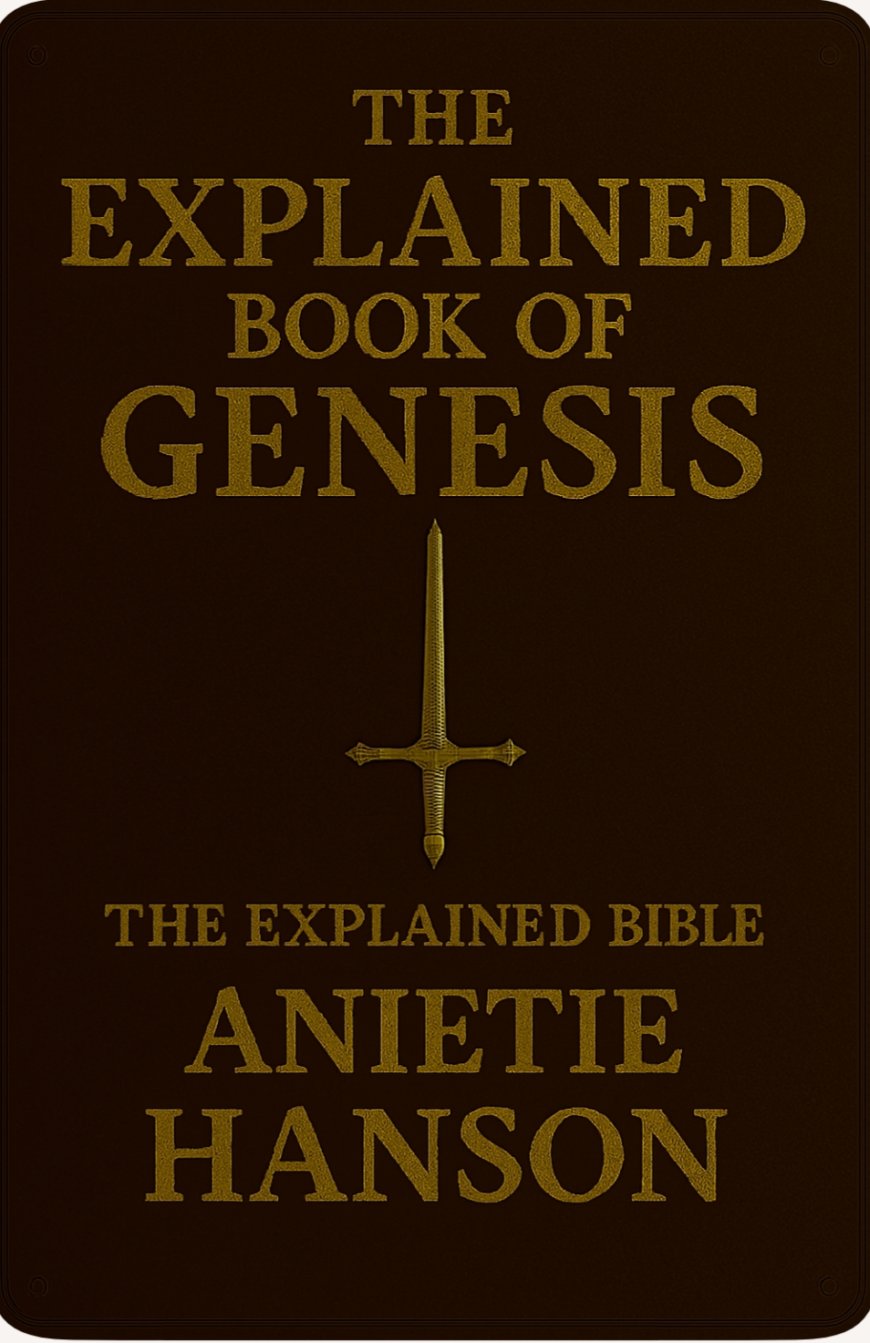
The Explained Book of Genesis Chapter 15 by Anietie Hanson
Introduction
Genesis Chapter 15 marks a foundational moment in biblical history where God formalizes His covenant with Abram. This chapter is rich in themes of faith, divine promises, and God’s assurance to Abram, who would later become Abraham. Through a profound vision, God promises Abram descendants as numerous as the stars and the inheritance of the Promised Land. Abram’s faith in this promise becomes a model for righteousness, echoed throughout Scripture.
With 21 verses, this chapter explores the tension between human doubt and divine faithfulness, emphasizing God’s sovereignty and His plan for redemption through Abram’s lineage.
Explanation
Genesis 15:1
"After these things God’s word came to Abram in a vision, saying, 'Don’t be afraid, Abram. I am your shield, your exceedingly great reward.'"
Explanation: The phrase “after these things” connects to the events of Genesis 14, where Abram demonstrated courage and faithfulness in rescuing Lot and rejecting wealth from the king of Sodom. God’s declaration, “Don’t be afraid,” addresses any fears Abram might have regarding retribution from the defeated kings or uncertainty about his future. God’s assurance, “I am your shield,” underscores His role as Abram’s protector. The “exceedingly great reward” points to blessings far beyond material wealth, including spiritual promises. Psalm 18:30 confirms: "He is a shield to all who take refuge in Him." This verse sets the tone for God’s covenantal dialogue with Abram.
Genesis 15:2
"Abram said, 'Lord God, what will You give me, since I go childless, and he who will inherit my estate is Eliezer of Damascus?'"
Explanation: Abram’s honest question reveals his concern about the lack of an heir. The mention of Eliezer of Damascus highlights the custom of appointing a trusted servant as an heir when no offspring existed. Abram’s question reflects the tension between God’s promises and his current circumstances. Proverbs 13:12 speaks to this: "Hope deferred makes the heart sick, but a longing fulfilled is a tree of life." Abram’s dialogue with God demonstrates faith mixed with longing for clarity.
Genesis 15:3
"Abram said, 'Behold, You have given no children to me: and, behold, one born in my house is my heir.'"
Explanation: Abram reiterates his concern about being childless, emphasizing the absence of a biological heir. The phrase “one born in my house” refers to a servant born within Abram’s household, further illustrating the gap between God’s promise and Abram’s reality. This moment reflects human doubt and the desire for tangible evidence of God’s plans. Isaiah 40:31 reminds: "But those who wait for God will renew their strength." Abram’s honesty invites God’s reaffirmation.
Genesis 15:4
"Behold, God’s word came to him, saying, 'This man will not be your heir, but he who will come out of your own body will be your heir.'"
Explanation: God’s response directly addresses Abram’s concern, reaffirming that the promised heir will be Abram’s biological child. The phrase “out of your own body” emphasizes God’s ability to fulfill His promises despite human limitations. Hebrews 11:11 reflects on this: "By faith even Sarah herself received power to conceive, and she bore a child when she was past age." This promise underscores God’s sovereignty over life.
Genesis 15:5
"God brought him outside, and said, 'Look now toward the sky, and count the stars, if you are able to count them.' He said to Abram, 'So will your offspring be.'"
Explanation: The imagery of the stars in the sky conveys the vastness and uncountable nature of Abram’s future descendants, symbolizing both physical and spiritual offspring. This promise points to Israel and the multitude of believers through faith in Christ (Galatians 3:7). Psalm 147:4 connects this imagery: "He determines the number of the stars and calls them each by name." This vision reinforces the boundless nature of God’s promises.
Genesis 15:6
"He believed in God, and He reckoned it to him for righteousness."
Explanation: This pivotal verse highlights Abram’s faith as the foundation of righteousness, setting a precedent for justification by faith. Abram’s belief in God’s promise, despite lacking immediate evidence, becomes a model echoed throughout Scripture. Romans 4:3 confirms: "Abraham believed God, and it was credited to him as righteousness." This moment foreshadows the gospel and the centrality of faith in God’s redemptive plan.
Genesis 15:7
"He said to him, 'I am God who brought you out of Ur of the Chaldees, to give you this land to inherit it.'"
Explanation: God reaffirms His identity as the One who called Abram out of Ur of the Chaldees, a city known for its idolatry (Joshua 24:2). This statement connects Abram’s journey to God’s sovereign plan, emphasizing the promise of the Promised Land. The inheritance of the land symbolizes God’s faithfulness in fulfilling His covenant. Deuteronomy 6:23 reflects this purpose: "He brought us out from there to bring us in and give us the land He promised." This verse solidifies Abram’s role as the recipient of divine blessings.
Genesis 15:8
"He said, 'Lord God, how will I know that I will inherit it?'"
Explanation: Abram’s question reflects a desire for confirmation and assurance, not doubt. His request for a sign is a common biblical motif, as seen with Gideon’s fleece (Judges 6:36–40). This moment reveals the human longing for tangible affirmation of divine promises. Isaiah 41:10 reassures: "Do not fear, for I am with you; do not be dismayed, for I am your God." Abram’s dialogue demonstrates the intimacy of his relationship with God.
Genesis 15:9–10
"He said to him, 'Bring me a three-year-old heifer, a three-year-old female goat, a three-year-old ram, a turtledove, and a young pigeon.' He brought him all these, and divided them in the middle, and laid each half opposite the other; but he didn’t divide the birds."
Explanation: The animals listed—a heifer, goat, ram, turtledove, and pigeon—were commonly used in sacrificial ceremonies, symbolizing atonement and covenant rituals. The division of the animals represents the binding nature of the covenant, a practice in ancient Near Eastern treaties where parties passed between the divided pieces, signifying their commitment to the agreement. Jeremiah 34:18 references this ritual: "Those who have violated My covenant…passed between the pieces of the calf." This act underscores the solemnity of God’s promise to Abram.
Genesis 15:11
"The birds of prey came down on the carcasses, and Abram drove them away."
Explanation: The birds of prey symbolize potential threats or opposition to the covenant. Abram’s action in driving them away reflects his vigilance and partnership with God in guarding the sacred promise. This imagery foreshadows the challenges Abram’s descendants will face in fulfilling their destiny. Ephesians 6:11 encourages believers: "Put on the full armor of God, so that you can take your stand against the devil’s schemes." Abram’s role illustrates the active nature of faith.
Genesis 15:12
"When the sun was going down, a deep sleep fell on Abram. Terror and great darkness fell on him."
Explanation: The deep sleep and great darkness signify the weight and seriousness of the covenant. The terror represents the awe-inspiring presence of God and the reality of Abram’s descendants’ future challenges, including slavery in Egypt. This moment mirrors later divine encounters, such as Jacob’s dream (Genesis 28:12). Isaiah 45:7 reflects God’s sovereignty over such experiences: "I form the light and create darkness." This scene sets the stage for God’s revelation of the covenant.
Genesis 15:13
"He said to Abram, 'Know for sure that your offspring will live as foreigners in a land that is not theirs, and will serve them. They will afflict them four hundred years.'"
Explanation: God reveals a prophecy about the future of Abram’s descendants, foretelling their slavery in Egypt for 400 years. The phrase “foreigners in a land that is not theirs” underscores the trials they will endure, yet it also foreshadows God’s deliverance. Exodus 12:40 confirms the duration of their stay in Egypt: "The time that the children of Israel lived in Egypt was four hundred thirty years." This prophecy highlights God’s foreknowledge and ultimate plan for redemption.
Genesis 15:14
"I will also judge that nation, whom they will serve. Afterward they will come out with great wealth."
Explanation: God promises to judge the nation that enslaves Abram’s descendants, referring to Egypt and the plagues He will bring upon them (Exodus 7–12). The mention of great wealth points to the plundering of the Egyptians during the Exodus (Exodus 12:35–36). This verse reveals God’s justice and His ability to transform suffering into blessing, affirming His faithfulness to His covenant.
Genesis 15:15
"But you will go to your fathers in peace. You will be buried at a good old age."
Explanation: God reassures Abram of his personal destiny, promising him a peaceful death and a long life. This statement emphasizes God’s care for Abram as an individual, alongside the grander narrative of his descendants. Job 5:26 reflects this blessing: "You will come to the grave in full vigor, like sheaves gathered in season." This verse conveys the comfort of God’s promises for the faithful.
Genesis 15:16
"In the fourth generation they will come here again, for the iniquity of the Amorite is not yet full."
Explanation: The fourth generation refers to the time when Abram’s descendants, led by Joshua, will return to Canaan and inherit the land. The phrase “the iniquity of the Amorite is not yet full” reflects God’s patience with the Canaanite nations, allowing them time to repent before judgment (Joshua 3:10). This verse demonstrates God’s justice and mercy, balancing punishment with opportunities for repentance.
Genesis 15:17
"It came to pass that, when the sun went down and it was dark, behold, a smoking furnace and a flaming torch passed between these pieces."
Explanation: The smoking furnace and flaming torch symbolize God’s presence, as fire often represents divine activity (Exodus 13:21). The act of passing between the pieces of the animals signifies God’s commitment to the covenant, taking full responsibility for its fulfillment. Jeremiah 34:18 echoes this imagery: "Those who passed between the pieces of the calf." This moment emphasizes the binding nature of God’s promises to Abram.
Genesis 15:18
"In that day God made a covenant with Abram, saying, 'I have given this land to your offspring, from the river of Egypt to the great river, the river Euphrates.'"
Explanation: This verse marks the formal establishment of the covenant, specifying the boundaries of the Promised Land, from the river of Egypt (likely the Wadi el-Arish) to the Euphrates River. This expansive territory symbolizes the fullness of God’s blessings and His authority over nations. Deuteronomy 11:24 affirms this promise: "Every place where you set your foot will be yours." The covenant underscores God’s faithfulness to His chosen people.
Genesis 15:19–21
"The land of the Kenites, the Kenizzites, the Kadmonites, the Hittites, the Perizzites, the Rephaim, the Amorites, the Canaanites, the Girgashites, and the Jebusites."
Explanation: The enumeration of these nations signifies the vastness and diversity of the Promised Land. Each group represents the challenges Abram’s descendants will face as they claim their inheritance. Joshua 3:10 later recounts the conquest of these nations. This verse highlights God’s sovereignty in granting the land and His faithfulness in overcoming opposition.
12 Relevant Questions and Answers on Genesis Chapter 15
1. What is the significance of God’s promise in Genesis 15:1?
o It reassures Abram of divine protection and blessings, underscoring God’s role as a shield (Psalm 18:30).
2. Why does Abram express concern in Genesis 15:2?
o He longs for an heir to fulfill God’s promise, reflecting human doubt and hope (Proverbs 13:12).
3. What does Genesis 15:4 reveal about God’s promise?
o It reaffirms that Abram’s heir will be his biological child, demonstrating God’s sovereignty (Hebrews 11:11).
4. What is the meaning of the stars in Genesis 15:5?
o They symbolize the countless descendants of Abram, both physical and spiritual (Galatians 3:7).
5. How is faith described in Genesis 15:6?
o Abram’s faith is credited as righteousness, establishing a precedent for justification by faith (Romans 4:3).
6. Why does Abram request a sign in Genesis 15:8?
o He seeks assurance of God’s promise, reflecting human desire for confirmation (Isaiah 41:10).
7. What is the significance of the divided animals in Genesis 15:9–10?
o They represent the covenant ritual, symbolizing the binding nature of God’s promise (Jeremiah 34:18).
8. What do the birds of prey in Genesis 15:11 symbolize?
o They represent threats or opposition to God’s covenant, requiring vigilance (Ephesians 6:11).
9. What does the “great darkness” in Genesis 15:12 signify?
o It reflects the weight of the prophecy regarding future hardships for Abram’s descendants (Isaiah 45:7).
10. How does Genesis 15:14 foreshadow the Exodus?
o It predicts the deliverance of Abram’s descendants from slavery in Egypt with great wealth (Exodus 12:36).
11. What does the flaming torch in Genesis 15:17 symbolize?
o It signifies God’s presence and His commitment to fulfilling the covenant (Exodus 13:21).
12. What overarching theme does Genesis Chapter 15 convey?
o It emphasizes faith, divine promises, and God’s unchanging commitment to His covenant.
Final Thoughts
Genesis Chapter 15 is a profound chapter that establishes the foundation of God’s covenant with Abram. It explores themes of faith, divine assurance, and prophecy, setting the stage for the fulfillment of God’s promises through Abram’s descendants. With 21 verses, this chapter underscores God’s sovereignty and unwavering commitment to His people.
Key Themes:
1. Faith and Righteousness: Abram’s belief in God’s promise sets the standard for faith and justification.
2. Divine Promises: God’s covenant assures blessings, land, and a multitude of descendants.
3. Prophecy and Sovereignty: The chapter foretells future events, reflecting God’s control over history.
4. Commitment and Assurance: The covenant ritual symbolizes the binding and unbreakable nature of God’s promises.
What's Your Reaction?
 Like
0
Like
0
 Dislike
0
Dislike
0
 Love
0
Love
0
 Funny
0
Funny
0
 Angry
0
Angry
0
 Sad
0
Sad
0
 Wow
0
Wow
0