













Genesis Chapter 18
Genesis Chapter 18
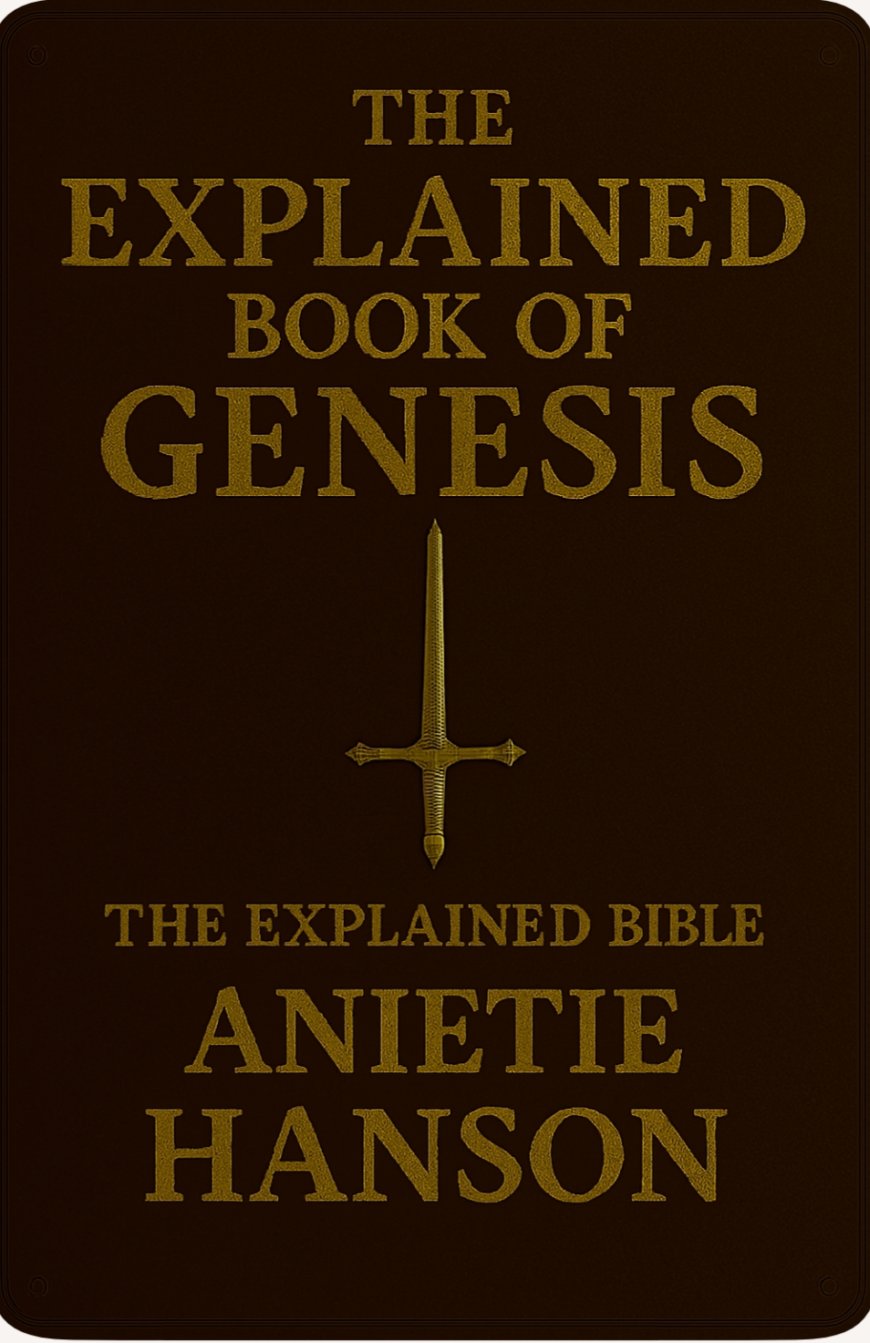
The Explained Book of Genesis Chapter 18 by Anietie Hanson
Study Bible: Genesis Chapter 18 – The Visit of the Three Men and Abraham’s Intercession
Introduction
Genesis Chapter 18 presents one of the most profound and intimate encounters between Abraham and God, revealing themes of hospitality, divine promises, and intercessory prayer. This chapter covers the visit of three men (including God in human form) to Abraham, the confirmation of the promise of Isaac’s birth, and Abraham’s bold intercession for Sodom and Gomorrah. With 33 verses, Genesis 18 intertwines personal faith, divine justice, and God’s mercy in ways that resonate throughout Scripture.
Explanation
Genesis 18:1
"God appeared to him by the oaks of Mamre, as he sat in the tent door in the heat of the day."
Explanation: The oaks of Mamre, a site of fellowship and divine encounters, symbolizes stability and Abraham’s faithfulness. God’s appearance reveals His desire for communion with Abraham. Sitting in the heat of the day indicates both the typical routine and the readiness of Abraham to welcome visitors. Psalm 91:1 reflects this intimate relationship: "He who dwells in the secret place of the Most High will rest in the shadow of the Almighty." This encounter underscores Abraham’s role as a covenant partner with God.
Genesis 18:2
"He lifted up his eyes and looked, and saw that three men stood opposite him. When he saw them, he ran to meet them from the tent door, and bowed himself to the earth."
Explanation: The three men represent God and two angels in human form. Abraham’s immediate response—running and bowing—demonstrates his humility, hospitality, and recognition of divine presence. Hebrews 13:2 draws a parallel: "Do not forget to show hospitality to strangers, for by so doing some people have shown hospitality to angels without knowing it." This verse highlights Abraham’s exemplary openness to divine encounters.
Genesis 18:3–4
"He said, 'My lord, if now I have found favor in your sight, please don’t go away from your servant. Now let a little water be fetched, wash your feet, and rest yourselves under the tree.'"
Explanation: Abraham’s request reflects ancient customs of hospitality, emphasizing care for the guests’ comfort. The act of washing feet symbolizes refreshment and humility, mirroring Jesus washing His disciples’ feet in John 13:5–17. The tree represents shelter and fellowship, pointing to the covenant relationship Abraham has with God. Proverbs 22:4 teaches: "Humility is the fear of God; its wages are riches and honor and life." Abraham’s hospitality reflects his reverence and faith.
Genesis 18:5
"I will get a piece of bread so you can refresh your hearts. After that you may go your way, now that you have come to your servant." They said, "Very well, do as you have said.""
Explanation: Abraham’s offer of bread symbolizes provision and sustenance, connecting to the broader biblical theme of God’s care for His people. Bread often signifies fellowship and covenant, as seen in Jesus’ breaking of bread during the Last Supper (Luke 22:19). The agreement of the visitors highlights their acceptance of Abraham’s hospitality, affirming his role as a faithful servant. Psalm 23:5 captures this spirit: "You prepare a table before me." This moment reflects the blessings of communion with God.
Genesis 18:6–7
"Abraham hurried into the tent to Sarah, and said, 'Quickly prepare three measures of fine meal, knead it, and make cakes.' Abraham ran to the herd, and fetched a tender and good calf, and gave it to the servant. He hurried to dress it."
Explanation: Abraham’s urgency and attention to detail underscore his reverence for the visitors and the sacred nature of this encounter. The fine meal and tender calf represent the best of what Abraham has to offer, reflecting his dedication and generosity. Malachi 1:8 warns against offering blemished sacrifices, emphasizing the importance of giving our best to God. Abraham’s hospitality exemplifies true worship through service.
Genesis 18:8
"He took butter, milk, and the calf which he had dressed, and set it before them. He stood by them under the tree, and they ate."
Explanation: Abraham’s act of serving the meal demonstrates humility and devotion, as he personally ensures his guests’ comfort. The butter, milk, and calf symbolize abundance and the best of his resources, reflecting Abraham’s gratitude for the divine presence. The act of eating signifies fellowship and the acceptance of Abraham’s offering. Revelation 3:20 highlights this intimacy: "If anyone hears my voice and opens the door, I will come in and eat with that person, and they with me." This shared meal signifies the communion between God and His servant.
Genesis 18:9
"They asked him, 'Where is Sarah, your wife?' He said, 'There, in the tent.'"
Explanation: The mention of Sarah by name signifies her central role in the fulfillment of God’s covenant. While she remains in the tent, her presence and involvement in God’s plan are affirmed through this question. This reflects God’s intentionality in including women in His redemptive plan, foreshadowing similar moments with Mary, the mother of Jesus. 1 Peter 3:7 highlights the equality of grace: "Husbands, in the same way, be considerate as you live with your wives and treat them with respect as heirs with you of the gracious gift of life." Sarah’s role is critical in God’s covenant.
Genesis 18:10
"He said, 'I will certainly return to you at about this time next year, and behold, Sarah your wife will have a son.' Sarah heard in the tent door, which was behind him."
Explanation: God’s declaration of Sarah’s son solidifies the timeline for the fulfillment of His promise. The specificity of “this time next year” highlights God’s sovereignty and perfect timing. Sarah’s eavesdropping reflects her curiosity and humanity, as she processes this extraordinary prophecy. Isaiah 55:11 assures: "So is my word that goes out from my mouth: It will not return to me empty, but will accomplish what I desire." This verse underscores the certainty of God’s promises.
Genesis 18:11
"Now Abraham and Sarah were old, well advanced in age. Sarah had passed the age of childbearing."
Explanation: The description of Abraham and Sarah’s advanced age emphasizes the miraculous nature of Isaac’s promised birth. Sarah’s barrenness highlights God’s power to bring life from impossible circumstances, reflecting His ability to fulfill His covenant through divine intervention. Romans 4:19 echoes this reality: "Without weakening in his faith, he faced the fact that his body was as good as dead—since he was about a hundred years old—and that Sarah’s womb was also dead." This sets the stage for God’s glory to be revealed.
Genesis 18:12
"Sarah laughed within herself, saying, 'After I have grown old will I have pleasure, my lord being old also?'"
Explanation: Sarah’s laughter reveals her incredulity and the natural human tendency to doubt extraordinary promises. Her internal response mirrors Abraham’s earlier laughter (Genesis 17:17), showcasing the shared struggle of faith in the face of impossibility. Yet, this moment is not met with condemnation but with gentle reassurance. Luke 1:37 reminds us: "For nothing will be impossible with God." Sarah’s reaction highlights the journey from doubt to belief.
Genesis 18:13
"God said to Abraham, 'Why did Sarah laugh, saying, "Will I really bear a child when I am old?"'"
Explanation: God’s question reflects His omniscience, addressing Sarah’s inner thoughts even though she laughed within herself. This moment invites reflection on doubt and faith, emphasizing God’s ability to fulfill His promises despite human skepticism. Romans 4:20 reassures: "He did not waver through unbelief regarding the promise of God." God’s inquiry is meant to affirm His power and assure Sarah of His faithfulness.
Genesis 18:14
"Is anything too hard for God? At the set time I will return to you, when Sarah will have a son."
Explanation: God’s rhetorical question—“Is anything too hard for God?”—underscores His limitless power, challenging human limitations and disbelief. The specific timing of the promise emphasizes God’s control over events. Jeremiah 32:17 echoes this affirmation: "Ah, Lord God! Behold, You have made the heavens and the earth by Your great power; nothing is too hard for You." This verse reassures believers of God’s capability to accomplish the impossible.
Genesis 18:15
"Then Sarah denied, saying, 'I didn’t laugh,' for she was afraid. He said, 'No, but you did laugh.'"
Explanation: Sarah’s denial stems from fear and the vulnerability of being confronted by God. Her reaction reflects the human tendency to hide doubt, yet God responds with gentleness, affirming her laughter without condemnation. Hebrews 4:13 reminds: "Nothing in all creation is hidden from God’s sight." This moment reflects the transparency required in a relationship with God and His patience with human frailty.
Genesis 18:16
"The men rose up from there, and looked toward Sodom. Abraham went with them to see them on their way."
Explanation: The mention of Sodom signals a shift in focus, foreshadowing the impending judgment on the city. Abraham’s action of accompanying the men reflects his deep relationship with God and his concern for others, especially Lot and his family. Amos 3:7 reveals God’s intentionality in sharing His plans: "Surely God does nothing without revealing His plan to His servants the prophets." This verse underscores Abraham’s unique role as a covenant partner.
Genesis 18:17
"God said, 'Will I hide from Abraham what I do?'"
Explanation: God’s question emphasizes transparency and trust within His covenant relationship with Abraham, underscoring the intimacy between them. By revealing His plans to Abraham, God invites him into intercession and partnership. Psalm 25:14 affirms: "The Lord confides in those who fear Him; He makes His covenant known to them." This highlights the privilege of participating in God’s purposes through faith.
Genesis 18:18
"Since Abraham will surely become a great and mighty nation, and all the nations of the earth will be blessed in him,"
Explanation: God’s acknowledgment of Abraham’s future greatness underscores his pivotal role in the unfolding of His redemptive plan. The phrase “all the nations of the earth will be blessed in him” points to the universal scope of the Abrahamic Covenant and its ultimate fulfillment in Jesus Christ. Galatians 3:8 confirms: "Scripture foresaw that God would justify the Gentiles by faith, and announced the gospel in advance to Abraham: 'All nations will be blessed through you.'" Abraham’s destiny reflects God’s desire for global redemption.
Genesis 18:19
"For I have chosen him, that he may command his children and his household after him, to keep the way of God by doing righteousness and justice, that God may bring on Abraham that which He has spoken of him."
Explanation: God’s declaration highlights Abraham’s responsibility to lead his family in righteousness and justice, ensuring that the covenant blessings extend to future generations. This verse underscores the importance of teaching and exemplifying faith within one’s household. Deuteronomy 6:7 supports this principle: "Impress them on your children. Talk about them when you sit at home and when you walk along the road." Abraham’s leadership reflects his role as a spiritual patriarch.
Genesis 18:20
"God said, 'Because the cry of Sodom and Gomorrah is great, and because their sin is very grievous,'"
Explanation: The mention of the cry of Sodom and Gomorrah reflects the widespread injustice and corruption of the cities, where sin has reached its fullest measure. The grievous nature of their sin underscores the moral and spiritual decay, necessitating divine intervention. Ezekiel 16:49–50 specifies their guilt: "Now this was the sin of your sister Sodom: She and her daughters were arrogant, overfed and unconcerned; they did not help the poor and needy." This verse sets the stage for the judgment to follow.
Genesis 18:21
"I will go down now, and see whether their deeds are as bad as the reports which have come to Me. If not, I will know."
Explanation: God’s decision to go down reflects His intentional and just nature, ensuring that His judgment is based on truth and firsthand assessment. This anthropomorphic language highlights God’s care in dealing with human affairs. Psalm 33:5 reinforces His character: "God loves righteousness and justice; the earth is full of His unfailing love." His actions demonstrate fairness and attention to human choices.
Genesis 18:22
"The men turned from there, and went toward Sodom, but Abraham stood yet before God."
Explanation: As the angels leave to investigate Sodom, Abraham remains before God, signaling the beginning of his intercession. This moment reflects the privilege of believers to approach God in prayer and advocate for others. James 5:16 emphasizes the power of intercession: "The prayer of a righteous person is powerful and effective." Abraham’s boldness in standing before God highlights his deep relationship with the Creator.
Genesis 18:23
"Abraham came near, and said, 'Will you consume the righteous with the wicked?'"
Explanation: Abraham’s question reflects his understanding of God’s justice and mercy. The phrase “came near” signifies the intimacy and boldness of his relationship with God, allowing him to appeal on behalf of others. His inquiry highlights the moral principle that the righteous should not share the fate of the wicked. Ezekiel 18:23 echoes this sentiment: "Do I take any pleasure in the death of the wicked? Rather, am I not pleased when they turn from their ways and live?" Abraham’s appeal opens the door for divine grace to be revealed.
Genesis 18:24
"What if there are fifty righteous within the city? Will you consume and not spare the place for the fifty righteous who are in it?"
Explanation: Abraham begins his intercession with fifty righteous as a starting number, appealing to God’s justice and mercy. This approach demonstrates Abraham’s concern not only for his nephew Lot but for the entire population of Sodom. Micah 6:8 reminds believers of God’s call for justice and mercy: "What does God require of you? To act justly, love mercy, and walk humbly with your God." Abraham’s plea reflects his alignment with these values.
Genesis 18:25
"Be it far from you to do things like that, to kill the righteous with the wicked, so that the righteous should be like the wicked. May that be far from you. Shouldn’t the Judge of all the earth do right?"
Explanation: Abraham appeals to God’s character as the Judge of all the earth, affirming His perfect justice. This rhetorical question demonstrates Abraham’s deep trust in God’s fairness while boldly pleading for mercy. Psalm 89:14 captures this duality: "Righteousness and justice are the foundation of Your throne; love and faithfulness go before You." Abraham’s intercession is rooted in his knowledge of God’s attributes.
Genesis 18:26
"God said, 'If I find in Sodom fifty righteous within the city, then I will spare the whole place for their sake.'"
Explanation: God’s response reveals His willingness to extend mercy for the sake of the righteous, showcasing His compassion and patience even in the face of grievous sin. This underscores the power of intercession and the role of the righteous in preserving society. 2 Peter 3:9 illustrates God’s desire for redemption: "He is patient with you, not wanting anyone to perish, but everyone to come to repentance." This verse reflects God’s readiness to withhold judgment for the sake of a faithful remnant.
Genesis 18:27
"Abraham answered, 'See now, I have taken it on myself to speak to the Lord, although I am dust and ashes.'"
Explanation: Abraham’s humility—acknowledging himself as dust and ashes—reflects his reverence while pleading with God. This recognition of his human frailty contrasts with his boldness in intercession, showcasing the balance of humility and faith in approaching God. Job 42:6 echoes this sentiment: "Therefore I despise myself and repent in dust and ashes." Abraham’s posture demonstrates the proper attitude in prayer and dialogue with God.
Genesis 18:28
"What if there will lack five of the fifty righteous? Will you destroy all the city for lack of five?" He said, 'I will not destroy it if I find forty-five there.'"
Explanation: Abraham’s bold negotiation reflects his compassion for the inhabitants of Sodom and his desire to appeal to God’s mercy. By reducing the number to forty-five, Abraham demonstrates persistence in interceding for the city while respecting God’s justice. Ezekiel 22:30 illustrates the importance of intercessors: "I looked for someone among them who would build up the wall and stand before me in the gap on behalf of the land." Abraham’s role as an intercessor highlights the power of standing in the gap for others.
Genesis 18:29
"He spoke to him yet again, and said, 'What if there are forty found there?' He said, 'I will not do it for the forty’s sake.'"
Explanation: Abraham continues to demonstrate persistence and reverence as he reduces the number to forty righteous people, appealing to God’s mercy. God’s repeated willingness to spare the city emphasizes His patience and compassion in response to genuine intercession. 2 Peter 3:9 reflects this attribute: "The Lord is not slow in keeping His promise, as some understand slowness. Instead, He is patient with you, not wanting anyone to perish, but everyone to come to repentance." This exchange reveals the depth of God’s mercy.
Genesis 18:30
"He said, 'Oh don’t let the Lord be angry, and I will speak. What if there are thirty found there?' He said, 'I will not do it if I find thirty there.'"
Explanation: Abraham’s humility is evident as he prefaces his request with “don’t let the Lord be angry.” By reducing the number to thirty, Abraham persistently advocates for the preservation of Sodom. This reflects the privilege believers have in approaching God with boldness and humility. Hebrews 4:16 affirms: "Let us then approach God’s throne of grace with confidence." Abraham’s faith emboldens his continued intercession.
Genesis 18:31
"He said, 'See now, I have taken it on myself to speak to the Lord. What if there are twenty found there?' He said, 'I will not destroy it for the twenty’s sake.'"
Explanation: Abraham’s intercession reaches twenty righteous, showcasing his unwavering concern for the city and his confidence in God’s justice. God’s response illustrates His readiness to show mercy for the sake of even a small remnant of the faithful. Genesis 19:29 later confirms the effect of this intercession when Lot and his family are spared. This verse underscores the influence of prayer and the righteousness of even a few.
Genesis 18:32
"He said, 'Oh don’t let the Lord be angry, and I will speak just once more. What if ten are found there?' He said, 'I will not destroy it for the ten’s sake.'"
Explanation: Abraham concludes his intercession at ten righteous, reflecting both his persistence and humility. The number ten may symbolize a sufficient remnant to uphold the moral fabric of a community. God’s willingness to spare the city for ten righteous people highlights His longsuffering and mercy. Isaiah 1:9 reinforces this principle: "Unless the Lord Almighty had left us some survivors, we would have become like Sodom, we would have been like Gomorrah." This dialogue underscores the balance between divine justice and grace.
Genesis 18:33
"God went his way as soon as he had finished communing with Abraham, and Abraham returned to his place."
Explanation: The conclusion of the encounter signifies the completion of Abraham’s intercession and God’s willingness to engage intimately with His servant. The phrase “communing with Abraham” highlights the depth of their relationship and the privilege of dialogue with the Creator. Psalm 145:18 reminds us: "God is near to all who call on Him." Abraham’s return to his place reflects trust in God’s justice and mercy to act according to His will.
Questions and Answers on Genesis Chapter 18
1. Why did God appear to Abraham in Genesis 18:1?
o To confirm the promise of Isaac and involve Abraham in His plans for Sodom (Psalm 91:1).
2. What do the three visitors symbolize in Genesis 18:2?
o They represent God and two angels, reflecting divine presence and purpose (Hebrews 13:2).
3. Why did Abraham prepare a meal for the visitors in Genesis 18:6–8?
o To demonstrate hospitality and reverence, reflecting his readiness to serve (Malachi 1:8).
4. What is the significance of God’s promise in Genesis 18:10?
o It affirms the miraculous birth of Isaac within a specific timeline (Isaiah 55:11).
5. Why did Sarah laugh in Genesis 18:12?
o Her laughter reflected doubt and disbelief at the impossibility of bearing a child at her age (Luke 1:37).
6. What does Abraham’s question in Genesis 18:23 reveal about his character?
o It shows his concern for justice and mercy, reflecting his faith in God’s fairness (Ezekiel 18:23).
7. How does God demonstrate His justice in Genesis 18:20–21?
o By personally investigating Sodom and ensuring His judgment is based on truth (Psalm 33:5).
8. Why does Abraham persist in reducing the number of righteous in Genesis 18:24–32?
o To intercede for Sodom, trusting in God’s mercy to spare the city for the sake of even a few righteous people (2 Peter 3:9).
9. What does Abraham’s acknowledgment of being dust and ashes in Genesis 18:27 signify?
o His humility and reverence before God while interceding for others (Job 42:6).
10. What principle does God’s willingness to spare Sodom for ten righteous people highlight in Genesis 18:32?
o The importance of a faithful remnant in preserving a community (Isaiah 1:9).
11. What is the significance of Abraham’s role as an intercessor in Genesis 18?
o It illustrates the power of prayer and the privilege of partnering with God in His plans (James 5:16).
12. What overarching theme does Genesis Chapter 18 convey?
o It emphasizes hospitality, faith in God’s promises, intercession, and the balance of divine justice and mercy.
Final Thoughts
Genesis Chapter 18 presents a powerful narrative that intertwines themes of divine fellowship, miraculous promises, and the interplay of justice and mercy. Abraham’s hospitality and intercession provide timeless lessons on faith, prayer, and compassion for others. With 33 verses, this chapter showcases the intimacy of the covenant relationship between God and Abraham while highlighting the transformative power of righteous intervention.
Key Themes:
1. Hospitality and Service: Abraham’s care for the visitors reflects the importance of welcoming God and serving others.
2. Faith and Doubt: The promise of Isaac challenges both Abraham and Sarah to trust in God’s power.
3. Intercessory Prayer: Abraham’s boldness in appealing for Sodom exemplifies the role of the faithful in standing in the gap.
4. Divine Justice and Mercy: God’s willingness to spare the city for even a small remnant reflects His compassionate nature.
What's Your Reaction?
 Like
0
Like
0
 Dislike
0
Dislike
0
 Love
0
Love
0
 Funny
0
Funny
0
 Angry
0
Angry
0
 Sad
0
Sad
0
 Wow
0
Wow
0